When you step into a new Super Mario level, the most common surprise is the sudden appearance of a Boo—a translucent ghost that hides until you’re close, then pops up in a startled look. For players just starting, knowing what cues a Boo uses to signal its mood can turn a frustrating encounter into a predictable pattern. This guide explains the key signs, why they matter, and how you can use them to stay one step ahead.
What Is a Boo?
Boo is a classic character that debuted in Nintendo’s Super Mario Bros. 3. It’s a friendly‑looking ghost that acts as a simple obstacle: it vanishes when the player approaches and reappears when the player moves away. Over time, Boo has become a staple of the franchise, appearing in countless spin‑offs and platformers.

Typical Behaviors That Signal Boo's Intentions
- Eye Movement: Boo’s eyes follow the player’s position. If they track you, Boo is ready to reappear.
- Body Posture: When Boo is hidden, its body is slightly flattened. A sudden shift to a more upright stance often signals that it’s prepared to pop out.
- Ambient Light: In many levels, the area around a Boo emits a soft glow that intensifies when Boo is about to show.
- Sound Cues: A brief “whoosh” or muffled “boo” sound usually precedes a Boo’s appearance, indicating that it’s actively responding to your movement.
Why These Signs Matter for Players
- Timing Control: By watching Boo’s eye movement, you can time your jumps or power‑ups to avoid sudden pop‑ups.
- Level Design Insight: Many levels are built around Boo’s reaction patterns; spotting these cues reveals the intended path through tricky sections.
- Skill Development: Learning to read Boo’s signals trains players to anticipate obstacles in other fast‑paced games.
Tips for Dealing With Boo
- Keep Distance: Maintain a brief gap; Boo hides until you’re within a certain radius. Moving at a steady pace prevents it from reappearing too often.
- Use Power‑Ups: Items such as the Super Star temporarily make Boo immune to your proximity, allowing safe passage.
- Observe Timing: Notice that Boo takes a fraction of a second to return after you pass. A quick glance can alert you to the next moment it will appear.
- Practice in Training Mode: Repeatedly running a level lets you internalize Boo’s reaction times without the pressure of a timed run.
Broader Implications: Boo as a Symbol of Hidden Motives
Beyond the console, Boo’s behavior offers a simple metaphor for how people often conceal their true intentions until a cue—like proximity or a signal—is triggered. In everyday life, being observant of subtle signs can help you anticipate reactions, much as a player watches for Boo’s eye movements before a jump. By translating these gaming insights into real‑world interactions, you can sharpen both your reflexes on screen and your social acuity off screen.
Fear Art Cut Out Stock Images & Pictures - Alamy

Fear art Cut Out Stock Images & Pictures - Alamy
Monsters Inc Boo 30 Boo Ideas | Monsters Inc Boo, Monsters Inc, Disney
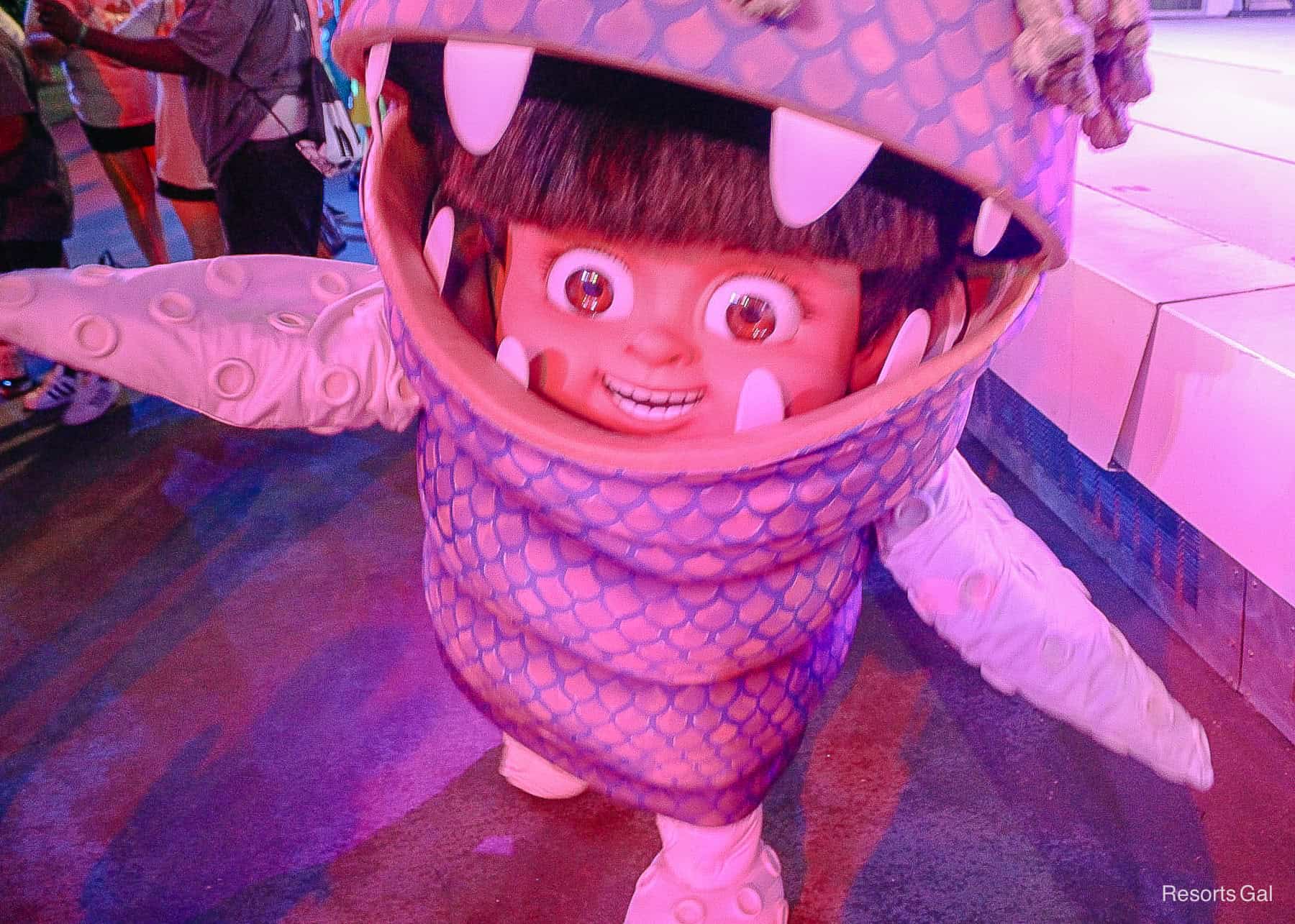
Monsters Inc Boo 30 Boo Ideas | Monsters Inc Boo, Monsters Inc, Disney
Boo En Pinterest

boo en Pinterest
30 Facts About Boo (Video Game) - Facts.net
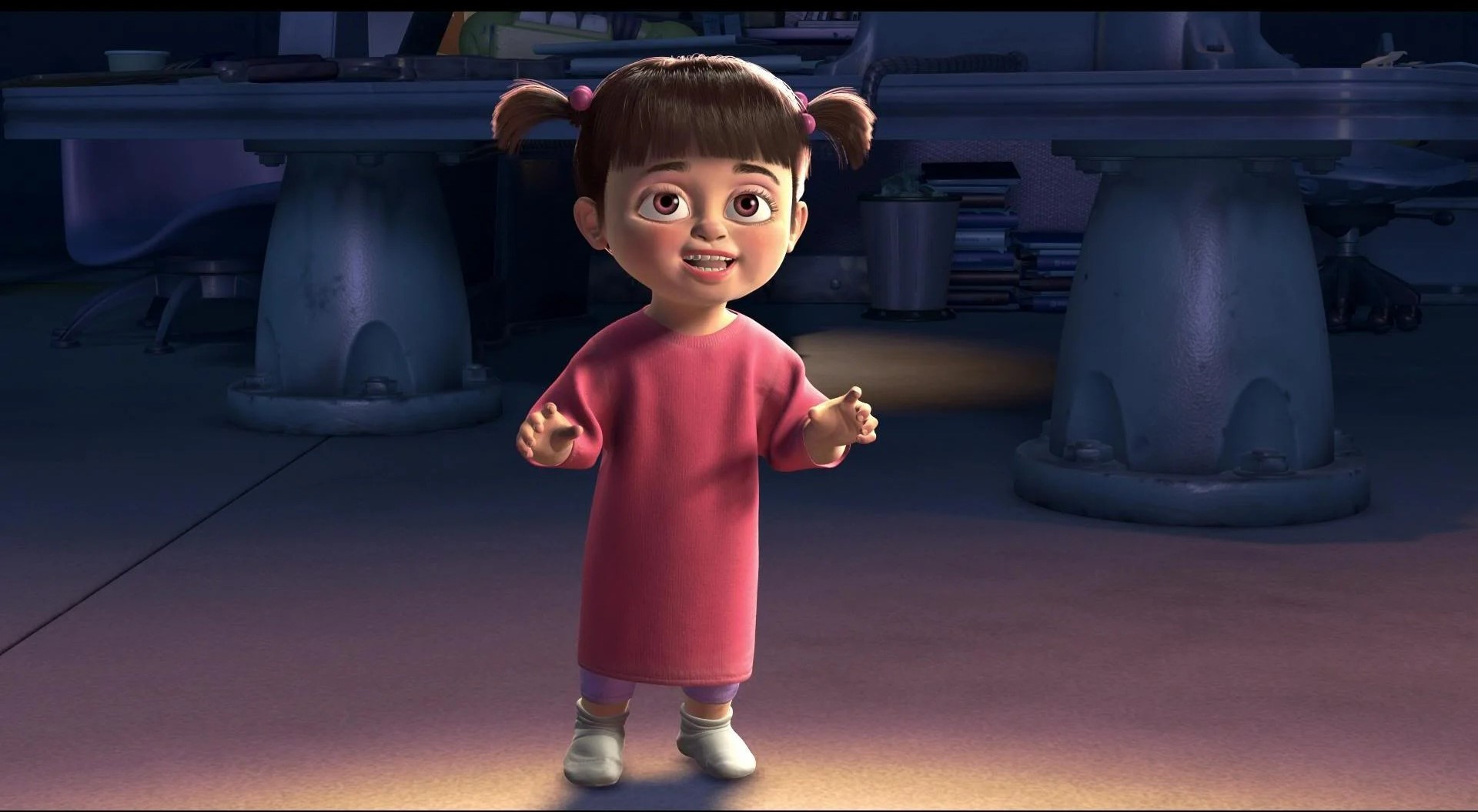
30 Facts About Boo (Video Game) - Facts.net